
Money Guide
Worming from Home money guide — paycheck math, raises and promotions, intern passive income, stock returns and the fastest route to the $100k house fund.
Introduction
Money in Worming from Home is a four-engine machine, and most worms only ever run one of them. Your salary is the base engine — raised by promotions and task performance — but the real wealth comes from stacking the others: interns who keep earning while you play, a stock market that compounds surplus cash and a shop economy where the right purchases literally increase your income. This section does the math the game never shows: how paychecks scale, when interns pay off, why the bank account is a trap and the exact milestones from your first thousand dollars to the $100k house fund behind one of the rarest achievements in the game. Whether you want a comfortable middle-class worm life or the full completionist sweep, it starts here.
Income Streams Compared
| Income source | How it scales | Best stage |
|---|---|---|
| Salary & promotions | Fixed steps per promotion tier | Early game foundation |
| Interns | Passive output per hire, permanent | Mid game onward |
| Stock market | Compounds with portfolio size | Late game engine |
Wealth Strategies
The Promoter
Climb first, invest second — the foundation build.
The Investor
Let the chart do the working — compounding as a lifestyle.
The Automator
Buy the desk, then make the desk work for you.
Core Mechanics
Every dollar enters your account through one of four channels. Salary arrives per workday and scales with your promotion track, which is driven by clean task completion — the spreadsheet-and-Messages loop is literally your income's foundation. Interns convert salary into permanent passive output, each hire grinding paperwork that would otherwise cost you shift time. The stock market converts surplus into growth through daily swings, and it is the only channel whose returns grow without bound as your balance does. Finally, odd income — smartphone rewards, one-off tasks like the counterfeit bill print — sprinkles lump sums that are best treated as investment seed money. Spending is the mirror image: functional purchases raise future income, cosmetics consume it, and the bank account quietly does nothing at all.
Advantages
The economy is small enough to fully understand and generous enough to fully exploit. Because income channels are limited, an optimized worm can reach the expensive late-game goals — full shop sweep, $100k house fund, a maxed intern desk — within a normal career run rather than an endless grind. The systems also reward good play elsewhere: task mastery raises salary, salary funds interns and positions, positions compound while you sleep. Money mistakes are recoverable in a way that missable achievements are not, since the market can always print more. And the game's best joke doubles as honest advice — the counterfeit bill task and the insider trading both exist to remind you that in this office, creativity with money is the whole point of the simulation.
Challenges
The economy's weakness is its early-game tightness. For the first several days, salary barely covers functional purchases, and a single wasted splurge delays the intern-and-investment engine by days. The bank account compounds this trap by feeling safe while earning nothing — worms who hoard cash reach the late game with a fat balance and no portfolio to show for it. Information opacity hurts too: the game never shows intern payback periods, promotion salary jumps or market statistics, so the mathematically correct order of operations is invisible without outside help. And one income stream is deliberately uncomfortable — insider information pays the best of any tip sheet in the game while winking at the fact that it should probably be illegal, which uneasy worms just have to live with.
Frequently Asked Questions
What is the fastest way to make money in Worming from Home?+
How much do I need for the $100k house fund?+
When do interns pay off?+
Quick Tips
Treat the bank account as a wallet, never as an investment. Idle cash earns nothing in Worming from Home — every dollar above your safety cushion should be either an intern, a share of stock or a functional purchase that raises tomorrow's income rather than sitting still doing nothing at all. Fold it into your normal routine and the benefit compounds quietly across the entire career.
Track your promotion math deliberately. Each tier's raise is permanent daily income, so a week spent chasing promotions beats a week spent on any one-off task in the game — the calendar is literally your salary schedule, and the worms who read it that way reach the house fund first. Fold it into your normal routine and the benefit compounds quietly across the entire career.
Seed your portfolio with odd income. Lump sums from smartphone rewards and one-off tasks feel like fun money, but invested on a dip day they become the principal that the big late-game swings multiply — the difference between affording the house fund and reading about it. Fold it into your normal routine and the benefit compounds quietly across the entire career.
Featured
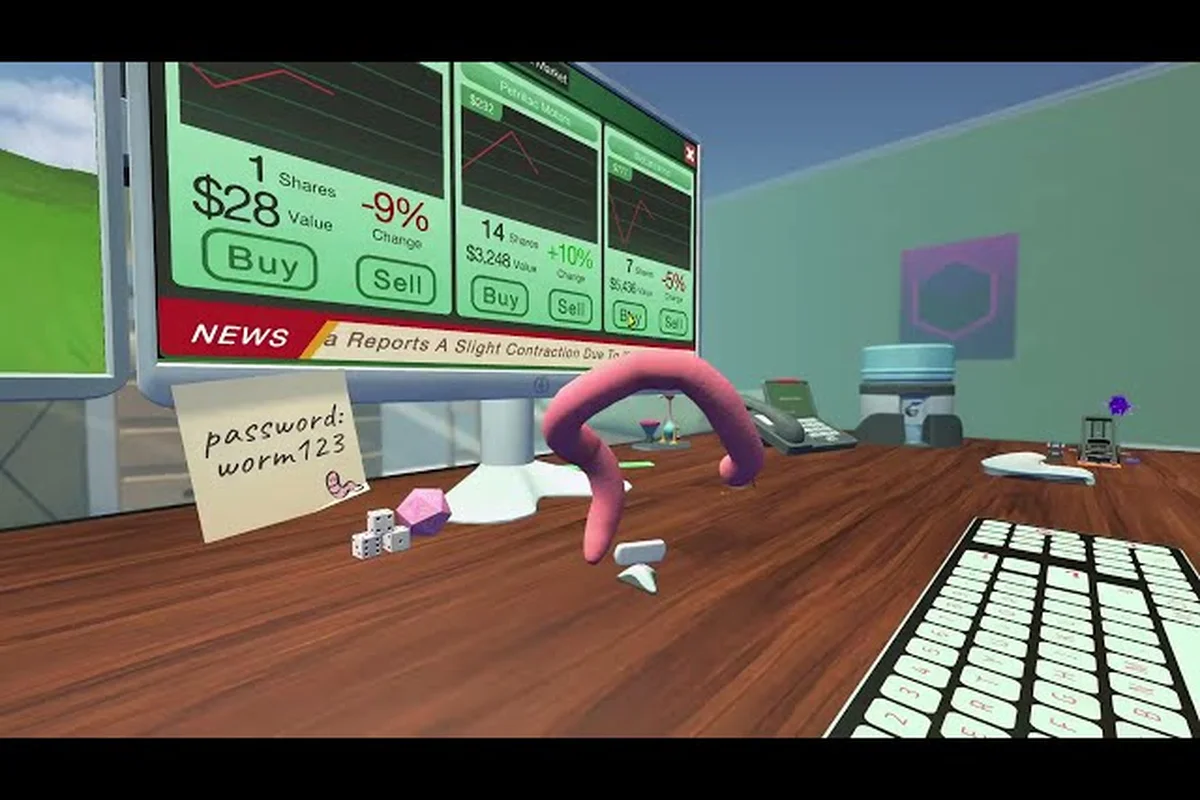
Worming from Home Daily Income: Best Methods to Farm Money Fast
Max out your Worming from Home daily income with the best early and late-game money methods, spending priorities, and passive income sources.

Worming from Home How to Afford Everything: Paycheck Milestones
Worming from Home how to afford everything, from the first paycheck to the endgame goal: payday timing, intern payoff notes and smart spending.

Worming from Home Money Guide: Fastest Paycheck and Salary Tips
Stack cash fast with this Worming from Home money guide covering salary basics, spreadsheet payouts, and the quickest early paycheck farming methods.
All Articles
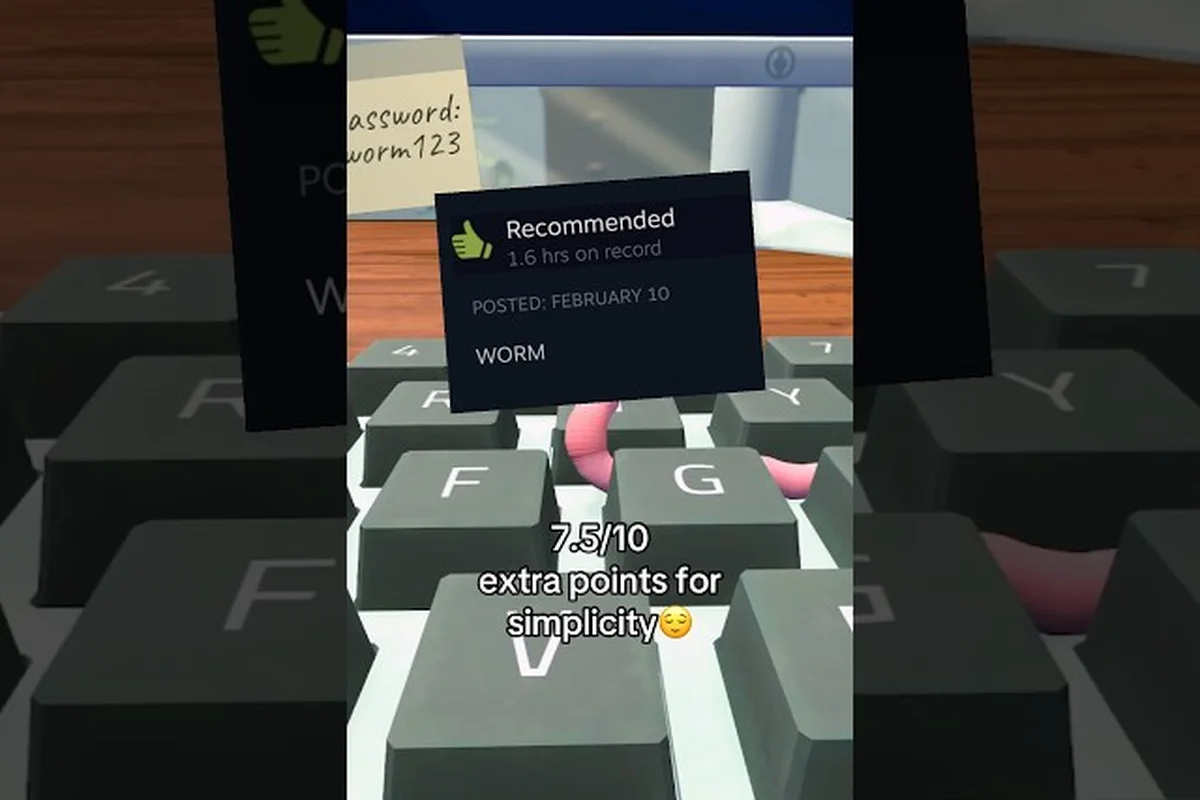
Worming from Home Side Income: Interns, Stocks and Savings
Boost your Worming from Home side income with intern earnings, investment returns, and net worth milestones that turn your spineless intern into a rich boss.

Worming from Home Raise Guide: Bank Account, 100K, and House Path
Climb the Worming from Home raise ladder with tips on bank account growth, the 100K milestone, and how close that house achievement really is.

Worming from Home What to Spend Money On: Smart Early Buys
Spend every dollar wisely with this Worming from Home what to spend money on guide covering counterfeit bill tasks, saving tips and the best early buys.